
OKRs Blog
OKRs VS BALANCED SCORECARD – PAUL NIVEN EXPLAINS THE DIFFERENCE
Read below as Paul explains the difference between OKRs and Balanced Scorecard during an interview with Perdoo, an OKR software solution. "The Balanced Scorecard has a 20-year history as a strategic management framework used by companies across the world. While it’s...

OKRS Facilitate Focused Conversation and Drive Engagement
Why Do Employees Leave? According to a survey of seven thousand LinkedIn members across five countries, the primary reason people leave companies is lack of advancement opportunities. Three times as many people cited that rationale over a poor relationship with their...
What 16 Pieces of Toast Taught Me About Keeping Things Simple
Breakfast of Champions... I’m a big believer in filling out that card you find in hotel rooms, the one that allows you to order in advance by checking what you’d like, choosing a desired serving time, and hanging the card outside your door. I like the idea that...
Are You a Leader? Want Your Teams to Create Better OKRs? Then Focus on the True Definition of Commitment
Does Executive Prerogative Have Limits? In the business press, at conferences around the globe, and in boardrooms far and wide, we talk endlessly about the importance of empowering employees, of driving engagement, and unleashing the creativity inherent in every...

Three Ways Effective OKRs Can Build Trust in Your Organization
High-Trust Organizations I recently found a very compelling article in Harvard Business Review focused on the many benefits of increasing trust in the workplace. The author, Paul J. Zak, notes that employees in high-trust organizations are more productive, have more...

What the Liberty Bell Has in Common With OKRs
When Crisis Looms In April 1917, as “the war to end all wars,” and its attendant horrors raged on, the United States was in trouble on a different front – the financial battlefield. To raise money necessary to fund the war effort, the Treasury had undertaken the...
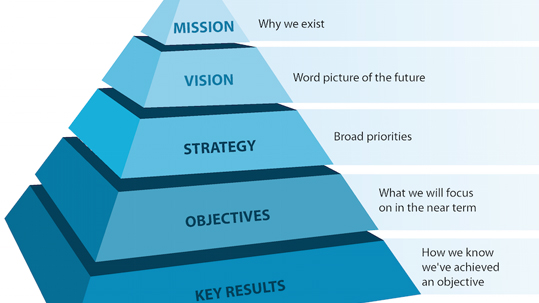
Are You Creating OKRs, or Just Restating Your Mission?
Simple Without Being Simplistic One of the biggest benefits of the OKRs framework is simplicity. Just four words: Objectives and Key Results, that represent two basic concepts: What do you want to do, and how you’ll know you’ve achieved it? This simple taxonomy is a...

How to S-C-O-R-E with OKRs
Will You SCORE With OKR? Here are five principles to keep in mind if you hope to succeed with your OKR implementation. S is for Strategy The first two questions you have to ask yourself when launching an OKRs program is: Why OKRs, and why now? Objectives and Key...

Is 5 Whys Too Many for OKRs?
5 Whys To Wisdom Way back in a 1996 Harvard Business Review article authors Jim Collins and Jerry Porras introduced me to the concept of “5 Whys.”[i] The idea is simple: Whenever you’re faced with a challenging situation, ask the question why five times to reveal the...

Creating OKRs in a Maze
No Way Out! Have you ever had that dream where you’re trapped in a building, running down hallways, yanking open door after door, only to find yet another long empty hallway? At the very least it’s frustrating to be hopelessly lost without bearings, but it can also be...
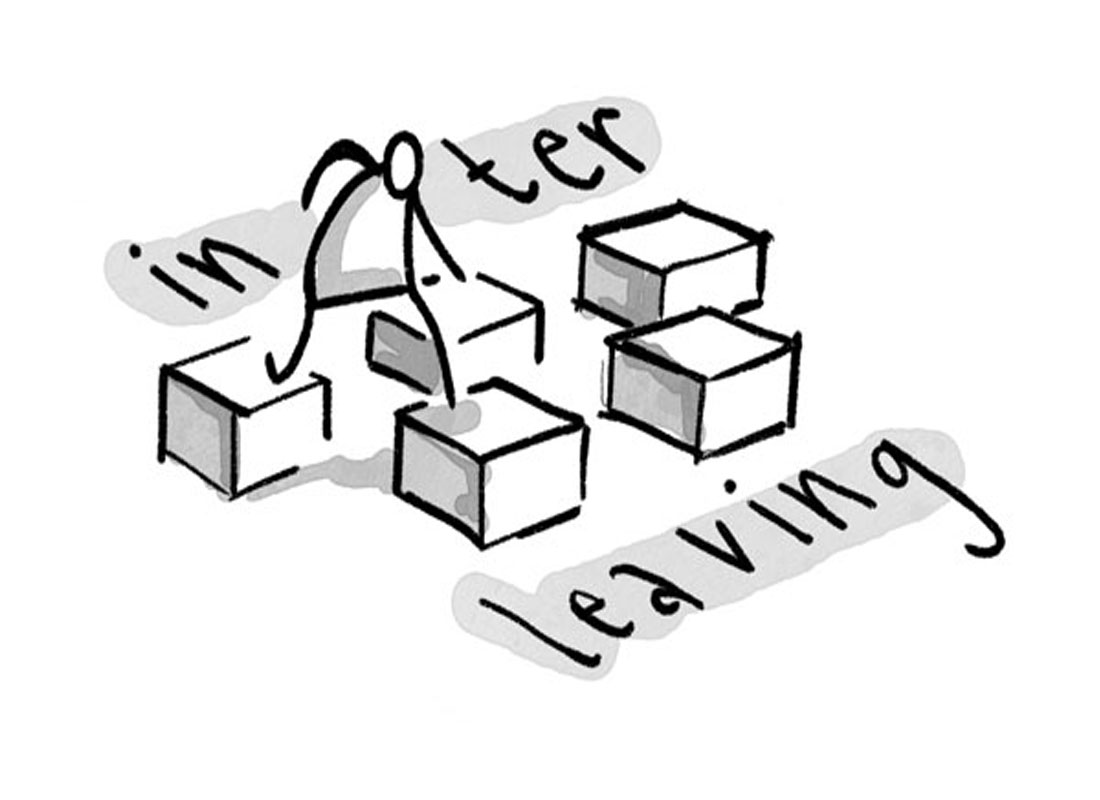
Use Interleaving to Develop Better OKRs
Interleaving? Did you make that up? I know what you’re thinking: “What the %#a*$ is interleaving?” I know! I’ll answer that in a second. First, let’s talk about how some organizations go about developing OKRs. In my experience it’s not uncommon for groups to split the...