OKRs and Mathematics? I heard a terrific story recently about Carl Friedrich Gauss, the eighteenth-century German mathematician, (as an OKRs Coach, I’m a sucker for a good eighteenth-century German mathematician story!). When Gauss was a schoolboy, a teacher...
 Why do we need Key Results Owners? There is a phenomenon in psychology known as “diffusion of responsibility.” It refers to the fact that as the number of bystanders increases, the personal responsibility that an individual bystander feels decreases. As a result, so...
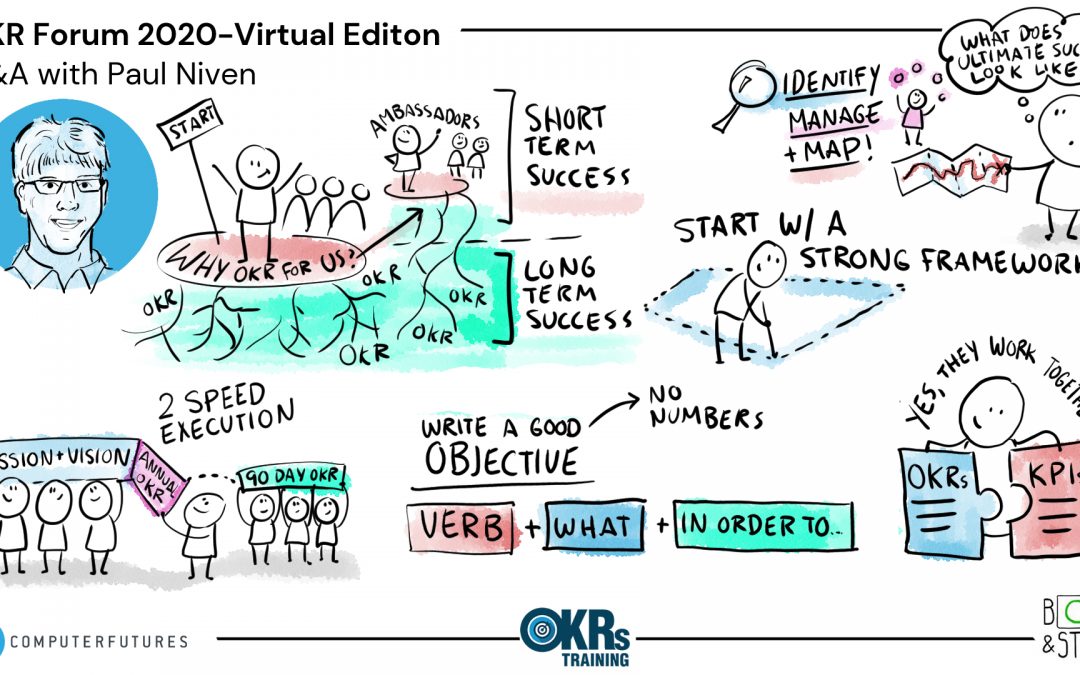 Why do I say that? Based on the outstanding questions I received when I was privileged to conduct a Q & A session at the recent OKRs Forum, an annual event hosted in Amsterdam (virtual this year of course). With an international audience of close to two-hundred...
 Last week we explored the first key benefit of OKR – Focus – leaving us Alignment, Engagement and Stretch, (if you didn’t read the article on Focus, read it here – OKR Focus). This week we are going to dive into Alignment and examine why this is so important to...
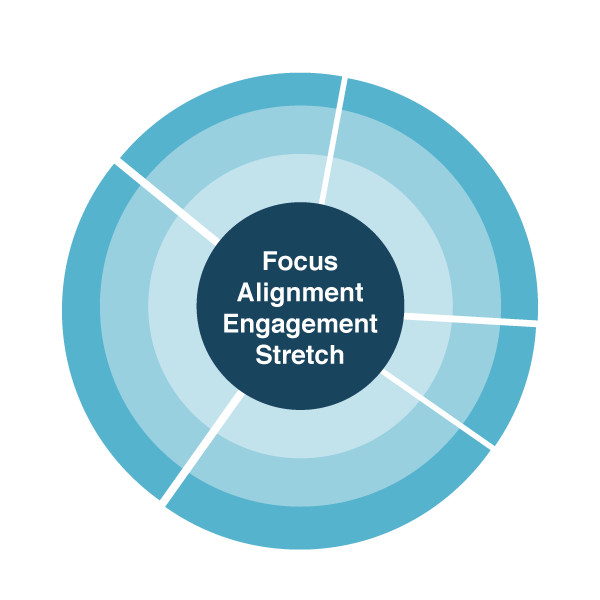 Scoring OKR Objectives and Key Results is a framework designed to help organizations improve performance by focusing on what matters most. All three elements of that previous sentence are important – framework, improving performance, and what matters most. In this...
 What Are OKRs? Objectives and key results (OKR) is a strategic framework that defines and tracks objectives and their outcomes. The OKR framework was created by Intel CEO Andy Grove and brought to Google by venture capitalist John Doerr and has been used by several...